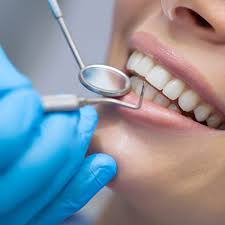
The Role of Dental Care in Reducing Hospitalizations
Dental care is often viewed primarily as a means to maintain oral health and a beautiful smile. However, emerging research by Dentist Scoresby has illuminated a profound connection between dental care and overall health. One of the lesser-known but critical aspects of this relationship is the role of dental care in reducing hospitalizations. In this article, we will explore how dental care contributes to better overall health and can help prevent hospital admissions.
The Oral-Systemic Connection
The link between oral health and systemic health is now well-established. Oral infections and inflammation, often caused by poor dental hygiene and untreated dental problems, can contribute to various health conditions. Bacteria from the mouth can enter the bloodstream and affect different parts of the body, increasing the risk of serious health issues. Here’s how dental care plays a vital role in reducing hospitalizations:
- Prevention of Oral Infections: Regular dental check-ups and cleanings help prevent common oral infections like gum disease and tooth abscesses. When these infections are left untreated, they can lead to systemic infections requiring hospitalization.
- Reducing Heart Disease Risk: Gum disease has been linked to an increased risk of heart disease. By maintaining good oral health, individuals can lower their chances of heart-related hospitalizations.
- Diabetes Management: People with diabetes are more susceptible to gum disease, which can lead to complications and potentially hospitalization. Proper dental care is essential in managing diabetes and reducing the risk of hospital admissions related to the condition.
- Respiratory Health: Poor oral health can contribute to respiratory infections. Aspiration pneumonia, for example, can occur when oral bacteria are inhaled into the lungs. Regular dental care can help reduce the risk of such infections.
- Chronic Health Conditions: Individuals with chronic health conditions like kidney disease or certain cancers are often at higher risk of oral health problems. Managing oral health can prevent complications that might require hospitalization.
- Oral Cancer Detection: Routine dental check-ups include oral cancer screenings. Early detection and treatment of oral cancer can significantly reduce the need for hospital-based cancer treatments.
- Oral Health in Pregnancy: Pregnancy can increase the risk of gum disease, and untreated oral health issues can lead to complications. By addressing oral health during pregnancy, hospitalizations related to pregnancy complications can be reduced.
- Geriatric Care: Older adults may have unique oral health challenges. Neglected oral health in this demographic can lead to conditions like aspiration pneumonia, increasing the risk of hospitalization.
- Psychological Benefits: Good oral health can positively impact mental well-being. Maintaining psychological health can reduce the risk of hospitalizations related to stress, depression, and anxiety.
Dental care is more than just a cosmetic or oral health concern; it’s a critical component of overall health and can play a significant role in reducing hospitalizations. By prioritizing regular dental check-ups, practicing proper oral hygiene, and addressing dental issues promptly, individuals can maintain good oral health and reduce their risk of hospital admissions related to oral infections and systemic health problems. Embracing the connection between oral health and overall well-being can lead to healthier lives and fewer hospitalizations.
Leave a Reply