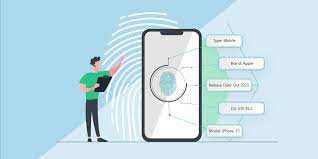
Protecting User Privacy with Device Fingerprinting
Protecting user privacy when implementing device fingerprinting for authentication or other purposes is of utmost importance. Device fingerprinting software can be a powerful tool, but it must be used responsibly to prevent privacy violations. Here are some strategies and considerations for protecting user privacy with device fingerprinting:
- Transparency and Informed Consent:
- Clearly inform users about the collection and use of their device fingerprint data. This should be included in your privacy policy and terms of service.
- Obtain explicit consent from users before collecting and storing their device fingerprint data. Allow them to opt in or out of this process.

- Data Minimization:
- Collect only the minimum necessary data required for authentication or the specific purpose you intend to use device fingerprinting for. Avoid collecting excessive or irrelevant information.
- Implement data retention policies to delete user data when it is no longer needed.
- Anonymization and Pseudonymization:
- Whenever possible, store device fingerprint data in an anonymized or pseudonymized form. This makes it harder to trace the data back to individual users.
- Use one-way hashes or encryption to protect sensitive data.
- Security Measures:
- Encrypt the storage and transmission of device fingerprint data to prevent unauthorized access.
- Implement strong access controls and authentication mechanisms to ensure that only authorized personnel can access the data.
- Regular Auditing and Monitoring:
- Periodically audit your device fingerprinting system to ensure compliance with privacy policies and regulations.
- Implement monitoring tools to detect any unauthorized access or data breaches promptly.
- User Control and Data Portability:
- Provide users with the ability to view, edit, or delete their device fingerprint data. This empowers them to have control over their information.
- Allow users to export their data to maintain transparency and portability.
- Regulatory Compliance:
- Stay up to date with data protection regulations in your jurisdiction (e.g., GDPR, CCPA) and comply with their requirements.
- Consider consulting legal experts or privacy professionals to ensure compliance.
- User Education:
- Educate users about the benefits of device fingerprinting and how it helps protect their accounts and data.
- Provide resources and channels for users to ask questions or express concerns about their privacy.
- Third-Party Services:
- If you use third-party services for device fingerprinting, carefully vet their privacy practices and data handling policies.
- Ensure that they comply with the same privacy standards you uphold.
- Opt-Out Mechanisms:
- Allow users to opt out of device fingerprinting if they are uncomfortable with the practice.
- Respect their choice and refrain from collecting or using their device fingerprint data in such cases.
- Regular Privacy Impact Assessments (PIAs):
- Conduct privacy impact assessments to evaluate the potential risks and impacts of device fingerprinting on user privacy. Take mitigating actions based on these assessments.
- Data Breach Response Plan:
- Develop a data breach response plan that outlines the steps to take in case of a security incident. Promptly notify affected users and authorities as required by law.
By following these strategies and considering user privacy at every stage of device fingerprinting implementation, you can strike a balance between security and privacy, ensuring that users’ personal information is safeguarded while still benefiting from the advantages of this technology.
Leave a Reply